Foreword by the chair of the management board
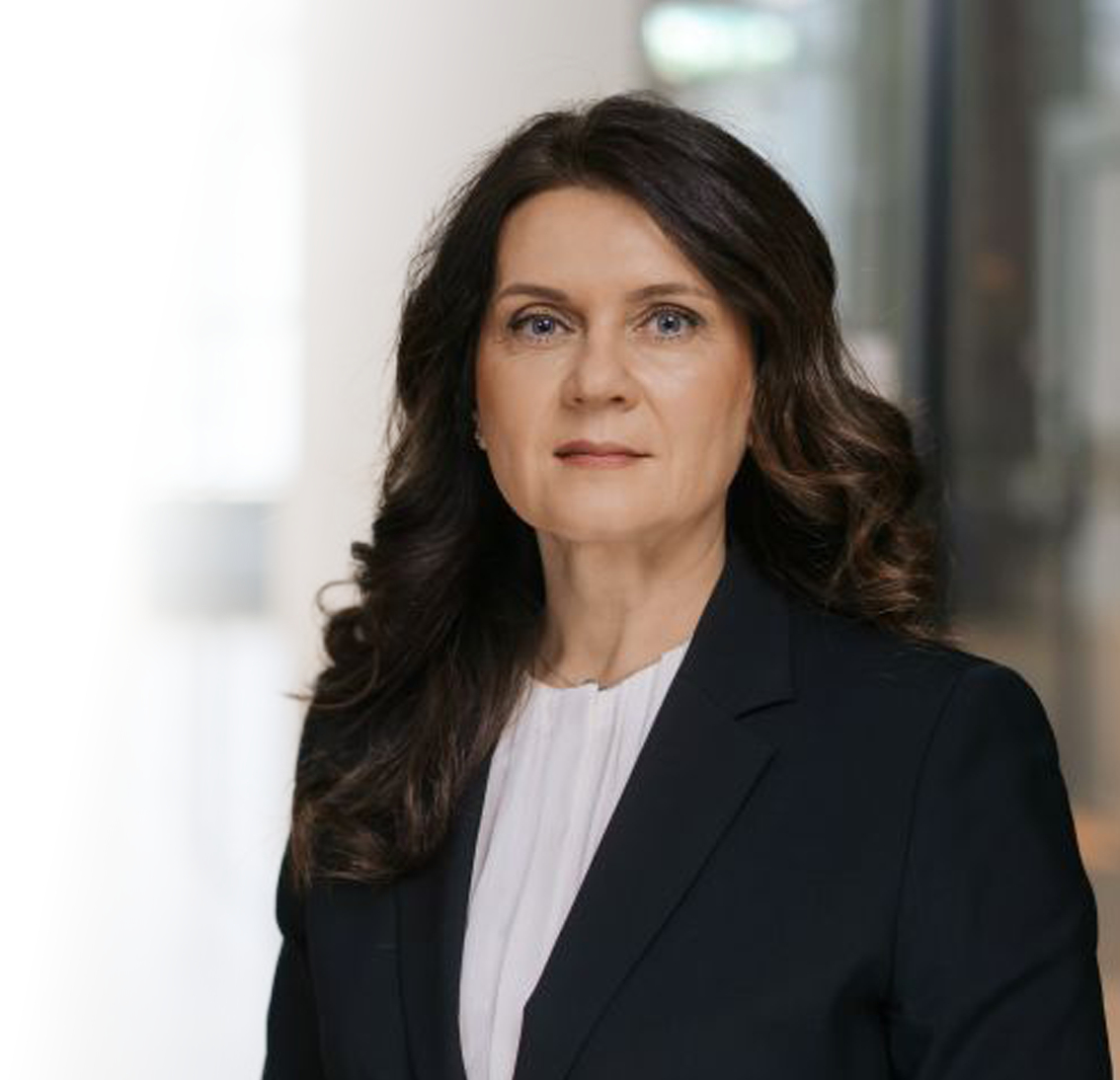
The Finantsinspektsioon Yearbook 2025 gives a picture of the activities, priorities and choices of Finantsinspektsioon, or what was done and why. It also helps in understanding the direction we are moving forwards in and the reasons for that.
The financial sector needs to operate so that people and companies can manage their financial matters with certainty. This needs stability, transparency and trust in the market, and supervision that is risk-based, preventative and proportional. The role of Finantsinspektsioon is to stand up for those principles on behalf of the Estonian state. This is a highly responsible duty that can only be carried out with a strong organisational culture and very professional staff.
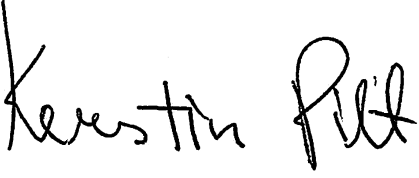
Kerstin Pilt
chair of the management board
Main areas of supervision
THE RIGHT TO OPERATE IN THE FINANCIAL SECTOR
Anybody wanting to provide regulated financial services must apply for a licence from Finantsinspektsioon. Finantsinspektsioon processes the application by checking that the applicant has sufficient capital and where it comes from, and assessing the organisational structure and the intended business plan, the level of technical organisation, and the suitability of the managers and owners to operate in the financial sector.
There are strict requirements for participants in the financial sector that are put in place to ensure protection for consumers of financial services, the stability of the financial system, and honesty in the operation of the market. Managers and owners in the financial sector must have a spotless reputation, relevant qualifications, and sufficient experience of the sector.
Six companies received an operating licence from Finantsinspektsioon
Finantsinspektsioon received 13 applications for a licence to operate in 2025, and some application processes that had started in 2024 continued. Five of the applications submitted were for licences to provide crypto asset services, while there were two applications each for licences as credit intermediaries, credit institutions and fund managers, and one each for licences as a credit collector and an e-money institution.
Finantsinspektsioon issued six licences in 2025, of which two were for credit collectors, two for fund managers, one for a creditor and one for a credit intermediary.
Finantsinspektsioon assessed suitability to operate in the financial sector
Finantsinspektsioon assessed in 2025 whether a total of 279 people were suitable to operate in the Estonian financial sector or to own a qualifying holding in companies in the sector. Of the people assessed, 202 received a positive assessment. The suitability assessments of 77 people were not completed because either the person themselves revoked their candidacy or their application was withdrawn, and so Finantsinspektsioon did not make a final assessment of the suitability of those people.
The legal environment
The legislative environment of the Estonian financial sector is made up of national legislation, directly applicable European Union directives, and a large quantity of semi-legal regulation such as guidelines from European Union institutions.
Finantsinspektsioon published its own opinion on various draft acts. The European supervisory authorities issued several guidelines to clarify legislation of the financial sector, and Finantsinspektsioon published these as advisory guidelines (see Appendix 1). It also directed the attention of market participants to its own guidelines and materials.

Finantsinspektsioon as a solver of crises
One aim of Finantsinspektsioon is to prevent any insolvency of any bank hurting financial stability, and so to protect the funds of the public sector, depositors, investors and other clients.
In 2025, Finantsinspektsioon extended and updated the resolution plans of the systemically important banks operating in Estonia together with the minimum requirements for eligible own funds and liabilities. Finantsinspektsioon worked internationally on this with the resolution authorities and supervisory authorities of other countries, participating in crisis resolution colleges and contributing to the domestic work of the resolution team. Finantsinspektsioon also continued extending and updating the resolution plans of the less important banks operating in Estonia.